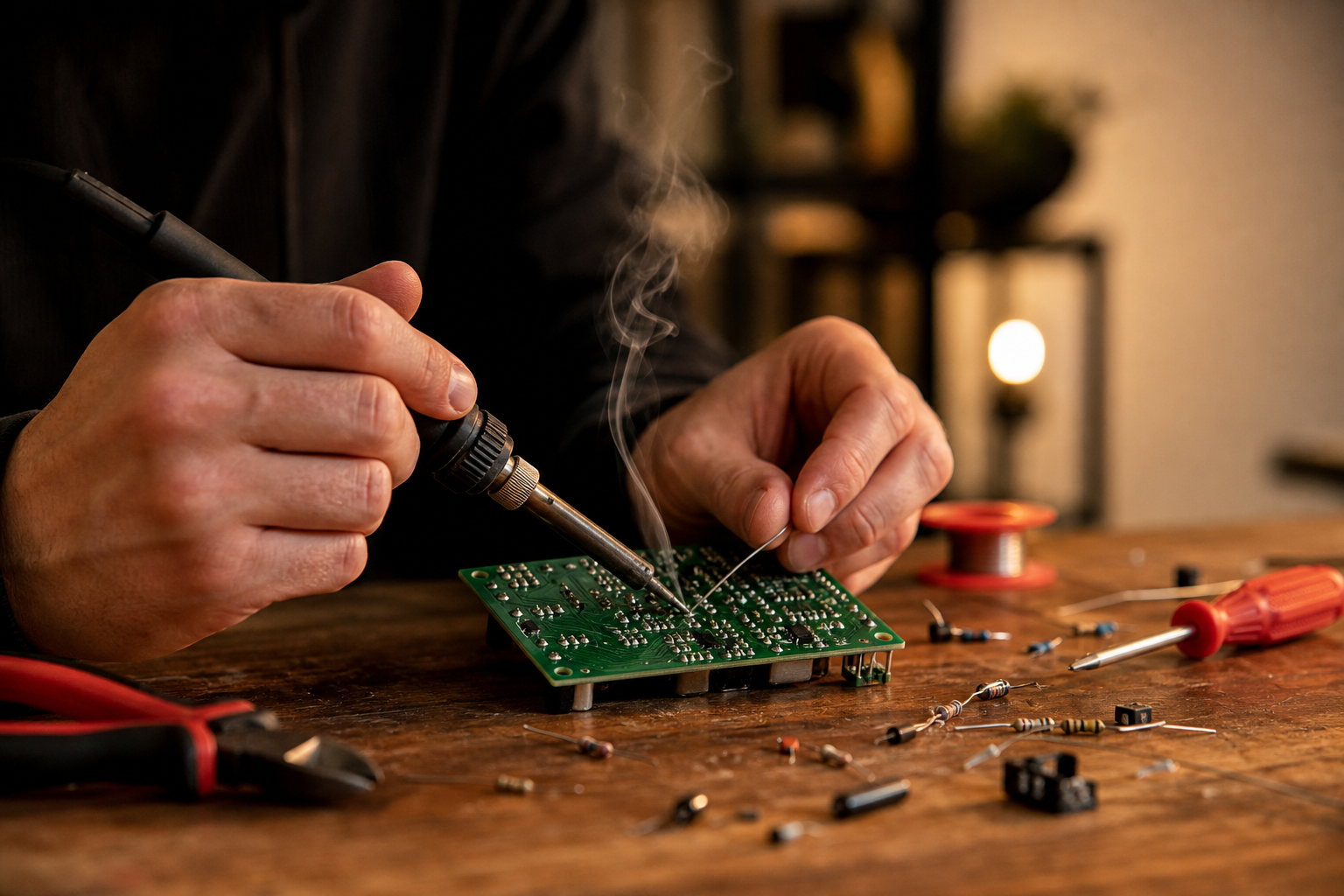
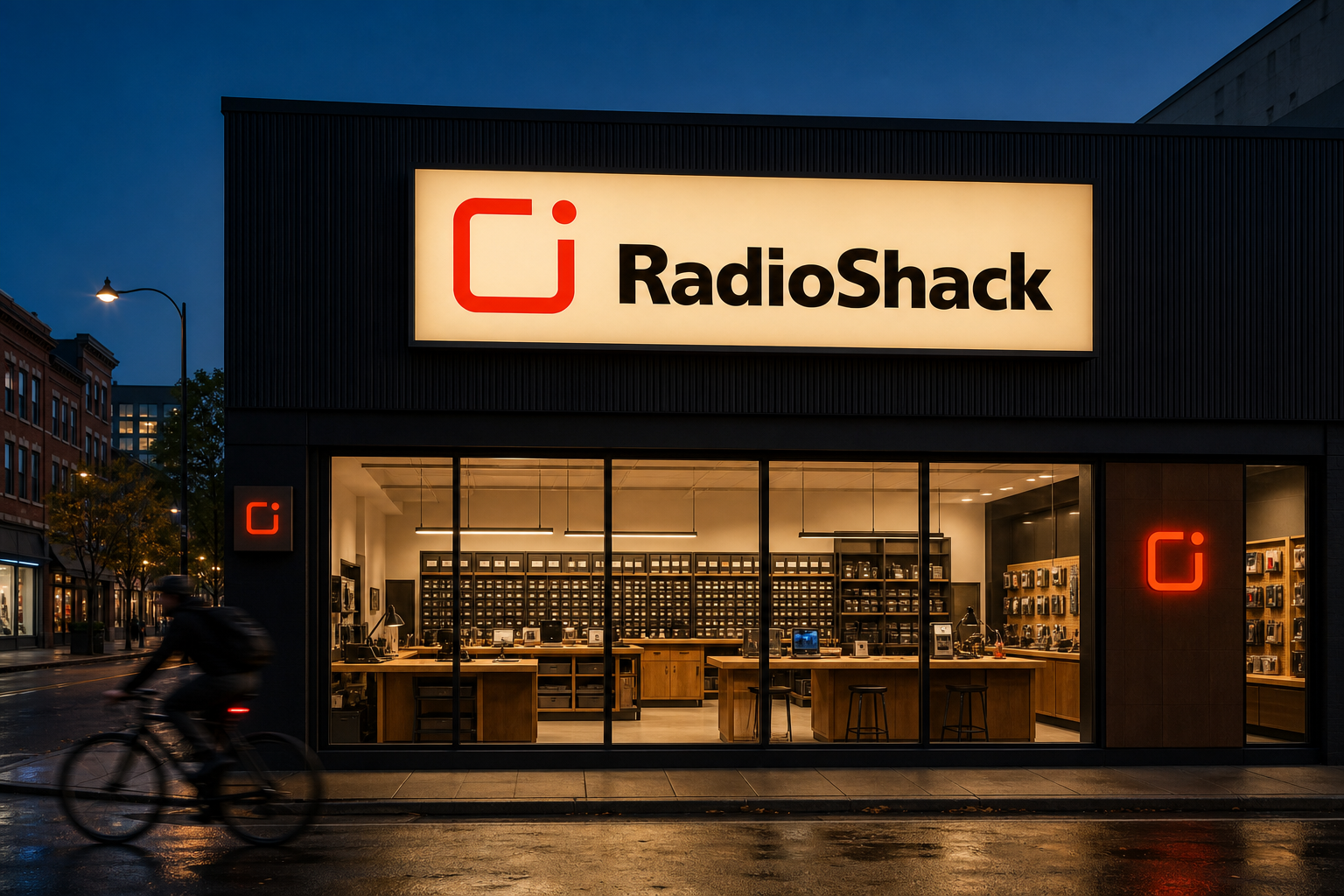
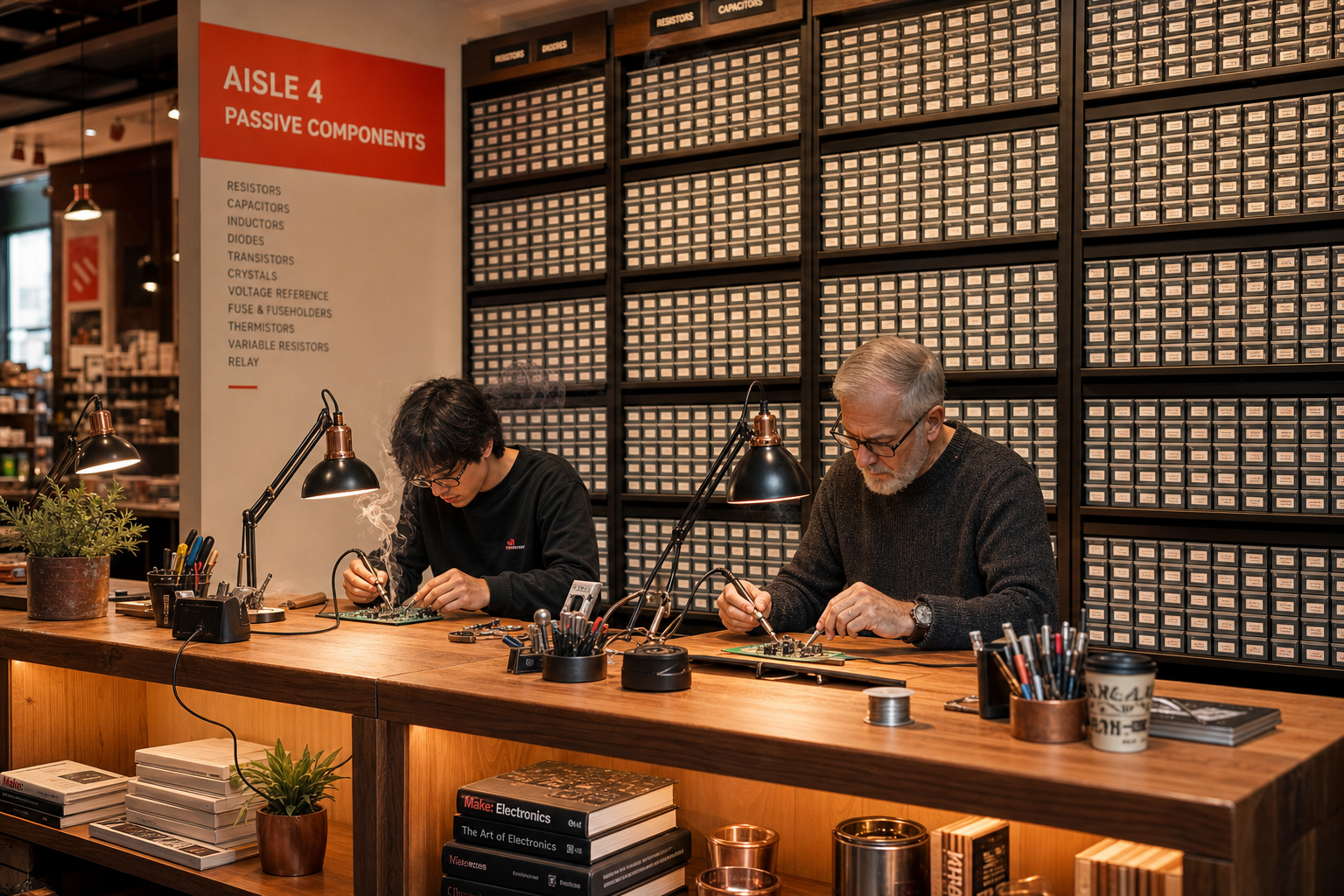
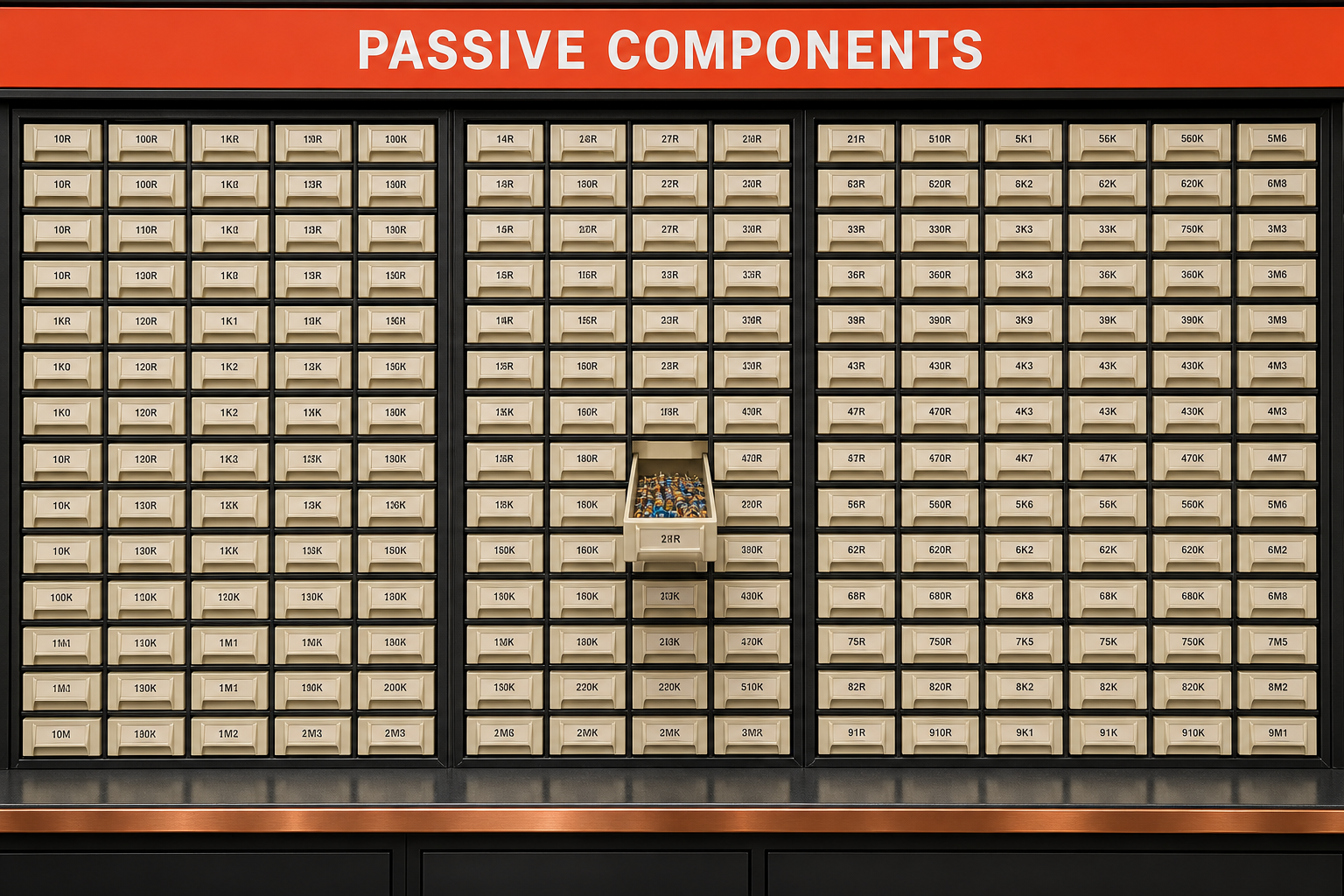
The comeback isn’t retro. It’s the return of the only store that ever handed you a screwdriver instead of a sales pitch — rebuilt for the generation that just won the right to repair.
Repairers voiding warranties on principle. Makers with drawers full of resistors. Parents raising kids who ask how, not which. Sixteen to sixty, they share one instinct: when a thing breaks, reach for a screwdriver before a credit card. The right-to-repair generation finally has the law on its side — and nowhere to buy the parts.
For people who’d rather open it than replace it, RadioShack is the front door to hardware — the parts, tools, and know-how to build, fix, and understand the technology you own. Not a gadget shop. Not a nostalgia act. The one retailer whose product is capability.
In 1921 we sold radio parts to amateurs the industry ignored. For sixty years, half of America’s engineers had their first “it works!” at our parts wall. Then we tried to be a phone store and forgot who we were. The revival isn’t reinvention — it’s returning to the one job only we ever did, in an era that suddenly needs it again.
Plainspoken — we write like a good manual, never like a mall. Wry, not wacky — the dry humor of people who actually read datasheets. Encouraging — every answer ends in “you can do this.” Never gatekeeps — jargon gets explained, never performed.
A circuit, one node from closing. The gap is deliberate — it’s where you come in. It reads as a power symbol, a port, a part on a schematic; rotate it in your head and the counter of an R appears. When the loop closes, things turn on. That’s the whole brand in one stroke and one dot.
Heritage red, rewired — from clearance-sale red to current-carrying red. The accent that says “on.”
Warm near-black, like a matte enclosure. Carries type, signage, and everything structural.
Workbench light, not showroom white. The default ground every layout sits on.
The trace under every board. Our warmth — used sparingly for detail, spec, and reward moments.
Utility gray for secondary text, rules, and captions. Never decorative, always legible.
Headlines, wordmark, display. Set 800–900, stretched wide, tracked tight. Confident like painted signage, engineered like a grid.
Labels, specs, prices, captions. The voice of the datasheet. Never used for paragraphs — only for facts.
OOH · launch campaign
“You’ve got questions. We’ve got answers.”
…and eventually, neither.